
Botox Units Explained in Jacksonville | Ageless
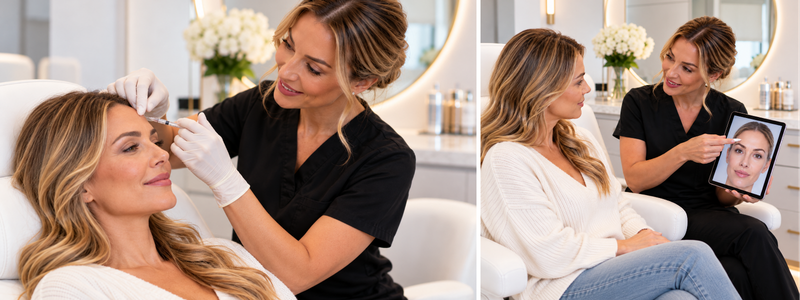
“How many units of Botox do I need?” is one of the most common questions patients ask before a first appointment—and one of the easiest questions to oversimplify online.
The short answer is that there is no single unit total that applies to every visit. BOTOX Cosmetic uses product-specific units, and FDA-approved dosing differs by treatment area. Your total treatment also depends on which approved areas you and your provider are discussing, and whether you are combining Botox with other services such as a Botox and facial combination.
At Ageless Rejuvenation Center in Mandarin, Jacksonville, the goal is to make the numbers understandable without turning your treatment plan into a math problem you have to solve before you arrive.
What Is a Botox Unit?
A unit is a measure of the biological activity of BOTOX Cosmetic. It is not a universal measurement shared across every botulinum toxin product.
The current BOTOX Cosmetic prescribing information specifically states that its potency units are product-specific and cannot be compared with or converted into units of another botulinum toxin product.
That means a conversation like “My friend gets 40 units of another brand, so I need 40 units of Botox” is not a valid comparison.
How Many Units Are Used for Common FDA-Approved Areas?
For several of the FDA-approved cosmetic treatment areas, the BOTOX Cosmetic label provides specific recommended totals:
Frown lines between the eyebrows: 20 Units total.
Crow’s feet: 24 Units total, with treatment divided between both sides.
Forehead lines: 20 Units in the forehead together with 20 Units for frown lines, for a recommended total of 40 Units.
The current label also includes platysma bands in the neck/jaw area as an approved cosmetic indication, with dosing based on the treatment pattern. Your provider should use the current prescribing information and assess whether a specific indication is appropriate for you.
Why Your Total Visit May Be Different From Someone Else’s
Even within FDA-approved cosmetic uses, total units change when the treatment area changes.
A patient treating frown lines only is not having the same treatment as a patient treating forehead lines plus frown lines, or a patient discussing multiple approved areas. The total number without the treatment-area context does not tell you very much.
Your provider will also review your facial anatomy, goals, treatment history and relevant medical information before recommending treatment.
Does More Botox Mean Better Results?
No. More is not automatically better, and fewer units are not automatically better either.
The useful question is whether the recommended dose and treatment area are appropriate for the desired result and the product’s approved use. Trying to chase the smallest number—or a friend’s number—can distract from the actual treatment plan. If you are unsure where to start with injectables, your provider can walk you through options during a consultation.
What If I Am Worried About Looking Frozen?
Tell your provider directly.
Many patients want softer expression lines without feeling like they look noticeably different. BOTOX Cosmetic’s official consumer information describes natural-looking results for its approved upper-face areas, but individual results vary and no provider should promise that every person will look the same.
A good consultation includes what you want to soften, what you want to preserve and how you want to look when you are talking, smiling and expressing yourself.
Can Botox Units Be Compared With Dysport, Xeomin, Jeuveau, Daxxify or Letybo?
No direct unit conversion should be assumed.
BOTOX Cosmetic’s prescribing information states that its units cannot be compared with or converted into units of another botulinum toxin product. If you have been treated with a different toxin before, tell your provider which product you received and when.
If you're comparing wrinkle relaxers, you can also learn more about Dysport treatments in Jacksonville and discuss how the different products' dosing and treatment options compare with your provider..
What Should You Tell Your Provider Before Botox?
BOTOX Cosmetic is a prescription medicine, so your treatment discussion should include more than aesthetic goals.
Tell your provider about prior botulinum toxin treatments, medications, medical conditions and anything else they ask about during screening. The official safety information also advises patients to tell their doctor about other botulinum toxin products and certain medicines.
How Should You Plan Botox Before an Event?
Do not plan around someone else’s timeline.
BOTOX Cosmetic effects are not instantaneous, and temporary injection-site effects such as discomfort, swelling, redness, bleeding or bruising can occur. If you have a wedding, photos, travel or another important event, tell your provider the date before treatment.
Giving your treatment plan enough room makes more sense than trying to squeeze an appointment into the last possible moment.
Questions to Ask During a Botox Consultation
Which area or areas are we treating?
What is the recommended dose for that FDA-approved treatment area?
What result are we trying to achieve?
What temporary side effects should I plan around?
What should I tell you about prior Botox or other toxin treatments?
How should I plan around an upcoming event?
Botox in Mandarin and Jacksonville: You Do Not Need to Know Your Unit Count First
You can research the numbers before your appointment, but you do not need to arrive having already decided how many units you want.
Review Ageless’s Botox treatments in Jacksonville, explore Ageless treatments if you are comparing options, and look through patient results and reviews for additional context.
When you are ready, schedule a personalized consultation and bring your questions. The treatment plan should come from the area being treated, the current product guidance and your individual goals—not from a unit count you saw on social media.
Frequently Asked Questions
How many units of Botox are used for frown lines?
The BOTOX Cosmetic prescribing information lists 20 Units total for moderate to severe glabellar, or frown, lines in adults.
How many units are used for forehead lines?
For forehead lines, the label recommends 20 Units in the forehead together with 20 Units in the glabellar area, for a total of 40 Units.
Are Botox units the same as Dysport units?
No. BOTOX Cosmetic units are product-specific and should not be compared with or converted into units of another botulinum toxin product.
Can I decide my Botox dose before my appointment?
You can learn about labeled dosing, but your provider should determine whether treatment is appropriate and discuss the treatment area, goals and relevant medical history with you.
How many units of Botox are typically used for crow’s feet, lips, and a brow lift?
For crow’s feet, the BOTOX Cosmetic label recommends 24 Units total, divided between both sides. Lip treatments—often called a “lip flip”—usually use a much smaller amount, commonly around 4–8 Units, depending on your anatomy and goals. A subtle brow lift may use 2–4 Units per side in carefully selected locations. These ranges are examples only—your provider will determine whether treatment is appropriate and discuss a personalized plan with you.
What does FDA-approved dosing for Botox actually mean?
FDA-approved dosing refers to the specific unit amounts, injection patterns, and treatment areas that were studied in clinical trials and reviewed by the U.S. Food and Drug Administration. For BOTOX Cosmetic, the label outlines recommended Units for areas such as frown lines, forehead lines, and crow’s feet. Providers use this prescribing information as a guide, then consider your anatomy, goals, and medical history before recommending treatment.
How does a Jacksonville Botox consultation help determine the right unit count?
During a consultation at a Jacksonville practice such as Ageless Rejuvenation Center, your provider evaluates your facial muscles at rest and in motion, reviews your treatment history, and asks about upcoming events and medical considerations. They then match your goals—such as softer lines or a subtle brow lift—to the product’s prescribing information and their clinical experience. This approach helps determine an appropriate unit count for each area rather than relying on a one-size-fits-all number.
Do Botox results always look stronger with more units?
Not necessarily. Results depend on matching the unit count to the treatment area, muscle strength, and your desired outcome. Too few Units may not give enough softening, while too many in the wrong area can look unnatural. The goal is an appropriate dose—based on FDA-approved guidance and your consultation—not simply “more” or “less.” Your provider will explain why they recommend a specific number of Units for each area.